Digital Customer Engagement: How to Elevate CX and Boost Loyalty
A few years ago, you could get away with a delayed email response or a clunky chatbot. Today? Not so much.
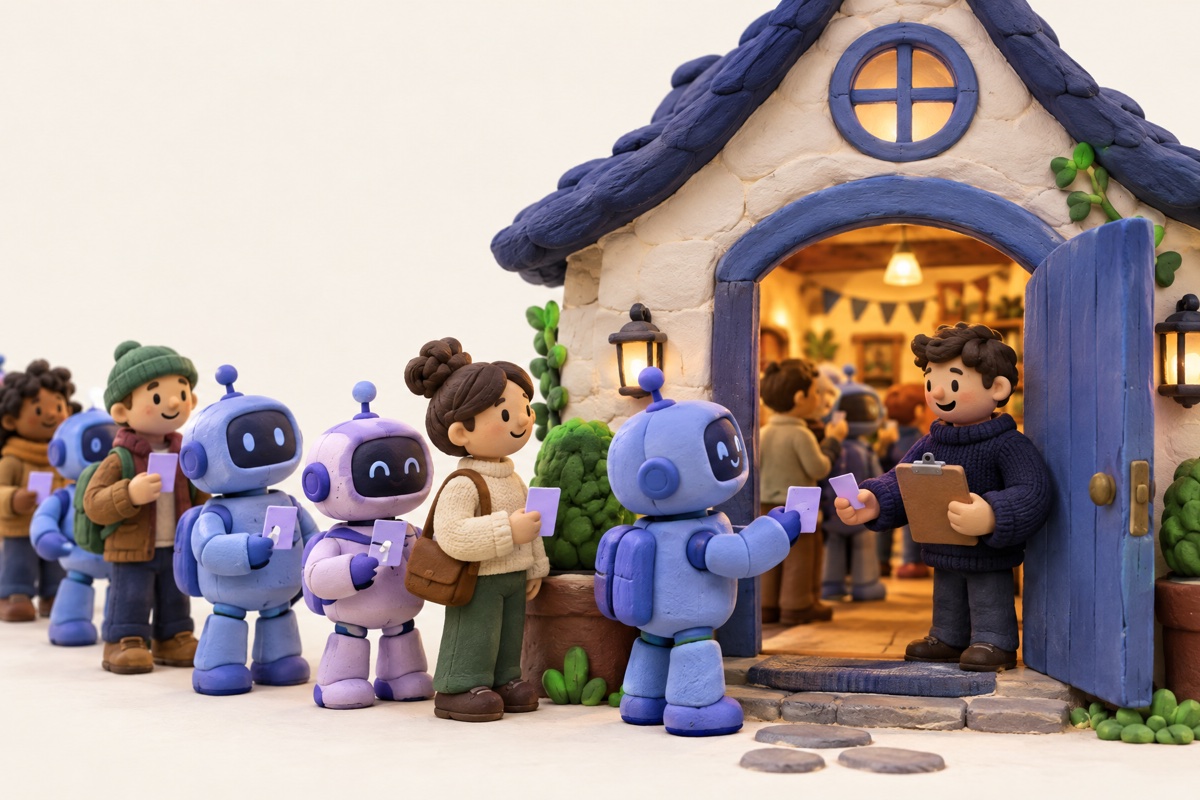
A customer scrolls social media and stumbles upon a product mention. They click, browse your site, ask a question via live chat, and expect an answer in under 60 seconds. If they don't get it, they're back to scrolling—and likely onto a competitor who does reply in real time.
That's the new normal.
Customer expectations aren't just high—they're immediate, emotional, and spread across more channels than ever. From messaging apps to social DMs, people expect brands to show up where they are, when they need them, with experiences that feel personalized and friction-free.
This shift is driving a major transformation in how brands connect with customers. Digital customer engagement isn't just a marketing tactic anymore. It's the core of how relationships are built, loyalty is earned, and reputations are made or broken.
What Is Digital Customer Engagement?
Digital customer engagement is how your brand connects with people across digital touchpoints—from the first social interaction to the follow-up email after a purchase. It's every conversation, comment, or click that keeps your brand in motion and in your customer's mind.
Unlike traditional interactions that happen in-store or over the phone, digital engagement unfolds across channels like social media, live chat, email, messaging apps, and increasingly, AI-powered tools. It's fast, fluid, and often asynchronous.
Think of it like this: A customer asks a product question via chat, checks reviews in your community, gets a personalized offer via email, and later receives a proactive shipping update through SMS. All of that, stitched together, is digital engagement.
What makes it powerful isn't just the technology—it's the continuity. Great digital engagement feels seamless, like the brand always knows what the customer needs next. It responds in real time, remembers past interactions, and keeps the experience human even when powered by automation.
At its core, digital engagement is about meeting people where they are—with the right message, on the right channel, at the right moment.
Why Digital Customer Engagement Matters
Picture two brands selling the same product.
One responds instantly to questions, remembers your last interaction, and sends helpful content before you even ask. The other takes two days to reply and forgets your context every time.
Which one earns your trust?
That's the difference digital engagement makes. It turns transactional moments into emotional ones—and those are the ones customers remember.
Research consistently shows that customer experience is a deciding factor in purchase decisions, yet most companies aren't delivering on expectations. That gap is your opportunity.
Businesses that invest in strong digital engagement see higher retention rates because people stick with brands that "get" them, increased customer lifetime value because relationships lead to repeat purchases, and stronger brand reputation because great experiences get shared.
Digital engagement isn't just about answering questions—it's about creating moments that keep customers coming back.
Key Components of a Successful Strategy
Imagine a customer starts their journey on a social ad, moves to your website, asks a question through live chat, and later checks their order status via email. If each touchpoint feels disjointed or repetitive, the magic is gone.
A strong digital engagement strategy connects those dots.
Omnichannel Communication
People don't think in channels. They just expect brands to show up. Whether it's social media, SMS, email, or your app—your messaging, tone, and support need to flow naturally across them all. No "please repeat your information" across platforms.

AI and Automation
Smart tools like chatbots and recommendation engines don't replace human connection—they scale it. They handle FAQs, offer next-best actions, and step in before customers get frustrated.
For example, an airline uses AI to predict when a passenger is likely to ask about baggage policies—then sends a proactive message before check-in. The customer feels understood without having to ask.
Personalization

Generic messaging is dead. Customers want to feel like you know them—what they bought, what they browsed, and even what they abandoned in their cart.
When a music platform sends tailored playlists based on listening habits, engagement increases dramatically. Personalization at scale is now table stakes.
Real-Time Support and Self-Service
Speed matters. Give people the ability to help themselves through knowledge bases, chatbots, and easy account tools—but also give them fast access to a human when needed.
The best experiences let customers choose their path: self-service when they want efficiency, human support when they need empathy.
Proactive Engagement
Don't wait for customers to come to you. Use data to anticipate needs: order updates, renewal reminders, even birthday acknowledgments.
A subscription brand that sends reminders when it's almost time for a restock—plus a personalized recommendation—creates touchpoints that feel helpful rather than promotional.
Community-Driven Feedback Loops
The most valuable engagement isn't always one-on-one—it's customer-to-customer. Brands that build spaces for open dialogue, peer support, and idea-sharing often uncover insights they'd never get from support tickets.
Community platforms help create hubs where customers ask questions, swap tips, and share feedback in one central place. This lightens support load while turning engagement into an always-on conversation. When customers feel heard—and see each other engaging—it builds trust that automation alone can't replicate.
Digital Customer Engagement Trends
What felt cutting-edge a year ago now feels basic. To keep pace, brands need to adapt to what's next.
AI-Powered Conversations Get Smarter
We've moved past robotic scripts. Today's AI can remember past interactions, adjust tone based on sentiment, and handle complex queries in natural language. AI assistants trained on your documentation and community content offer instant, contextual help—freeing support teams for strategic work.
Voice and Video Support Go Mainstream
Typing isn't always fastest. Customers increasingly prefer voice notes or video calls, especially for nuanced conversations. Brands embracing these formats offer more human experiences even over digital channels.
Self-Service Takes Center Stage
Customers want answers now, not in two business days. Dynamic knowledge bases, community forums, and intelligent search are becoming essential. Platforms that let customers find solutions without waiting in queues see higher satisfaction scores.
Social Commerce Becomes Conversation
It's not just about buying through social platforms anymore—it's about interacting. Customers ask questions in comments, share reviews in stories, and DM brands expecting real-time responses. Brands treating social as two-way channels see higher engagement and trust.
First-Party Data Powers Personalization
As cookies fade and privacy expectations rise, first-party data becomes gold. Use insights from your own platforms—community activity, purchase history, product usage—to personalize messaging without being invasive.
It's not about knowing everything. It's about using what you know to be relevant.
Improving Your Digital Engagement Strategy
You don't need a complete overhaul to level up. Often, it's about tightening connections, removing friction, and showing up more intentionally.
Make Chatbots Actually Useful
Too many chatbots frustrate instead of help. Train yours on real customer queries. Add contextual options, escalation paths, and personality. Your bot shouldn't just say "How can I help?"—it should actually know how.
Personalize Like You Mean It
Use customer data to go beyond first names. Think product recommendations based on past behavior, content suggestions based on interests, and messages sent at the right time on the right channel.
Automate the Follow-Up, Not the Relationship
Automation isn't just for support. Use it to re-engage customers: renewal reminders, check-ins after onboarding, nudges for unused features.
Keep it human. "Hey, noticed you haven't explored this feature yet—need a hand?" beats a generic notification.
Turn Your Community Into an Engagement Engine
Your users are often your best support system. Create community where customers help each other, leave feedback, and engage with your brand on their own terms.
It's more than support—it's connection. Start discussions, host AMAs, highlight top contributors. Community transforms passive users into active participants.
Meet People Where They Are
Don't force customers into your preferred channel. If they message on social, reply there. If they comment on a post, answer it. If they email at night, at least have an autoresponder that feels human.
Cross-channel doesn't mean every channel—it means the right ones for your audience.
Measuring Success
Engagement feels good when it's happening—but how do you know it's working? Likes and replies only tell part of the story.
Customer Satisfaction Score (CSAT)
After interactions, ask customers how satisfied they were. It's quick to implement and tells you whether you're meeting expectations in the moment.

Net Promoter Score (NPS)
This measures long-term loyalty by asking how likely customers are to recommend you. It reveals emotional investment beyond satisfaction.
Use NPS to identify promoters who might become advocates—and detractors who need attention.
Customer Effort Score (CES)
How easy was it for your customer to solve their issue? Lower effort equals higher satisfaction. If customers jump through hoops to find answers, CES will spotlight the problem before it turns into churn.
Engagement Analytics
Track which channels drive the most interactions, where conversations drop off, and what content sparks engagement. Look beyond quantity—it's not just about how many people interacted, but what they said and how they felt.
Real-Time Feedback Loops
Treat engagement as a living process. Regularly collect qualitative feedback through polls, community threads, or surveys. Then act on it.
Getting Started
In a world where attention spans are short and options are endless, digital customer engagement is your edge.
It's how you build trust before the first purchase. It's how you stay top-of-mind after the transaction. And it's how you turn casual users into loyal advocates, one meaningful interaction at a time.
The tools are there: AI, automation, communities, and data. But it's your strategy—how you combine them with empathy, speed, and personalization—that makes the difference.
Start small. Stay human. Build a system that listens, learns, and responds.
Ready to create community-powered engagement? Talk to sales for a demo.
FAQs
What is digital customer engagement?
Digital customer engagement refers to how businesses interact with customers through digital channels—social media, messaging apps, live chat, email, and online communities. It's about building relationships by showing up consistently and delivering helpful, personalized experiences across every touchpoint.
What are the 4 P's of customer engagement?
Personalization means making each interaction feel tailored to the individual. Proactiveness means anticipating needs before customers reach out. Participation means encouraging customers to contribute through feedback and community. Persistence means engaging consistently across the entire customer lifecycle.
What's the difference between engagement and customer service?
Customer service is reactive—responding when customers have problems. Engagement is proactive and ongoing—building relationships before, during, and after transactions. Great companies do both, but engagement creates the emotional connection that drives loyalty.
How do we measure digital engagement ROI?
Connect engagement metrics to business outcomes: retention rates, customer lifetime value, referral rates, and support cost reduction. Track how engaged customers compare to non-engaged customers on these measures. The ROI becomes clear when you see engaged customers staying longer and spending more.