Social Login: Leveraging Easy Access for Enhanced User Onboarding
Imagine you're trying to join a new website, but you have to fill out a long form with lots of information. What if you could join with just one click using your favorite social media account?
That's what social login is all about—a magic key that opens many doors with one simple touch. Social login is changing the way we join and use websites and apps, reducing friction and improving the onboarding experience.
What Is Social Login?
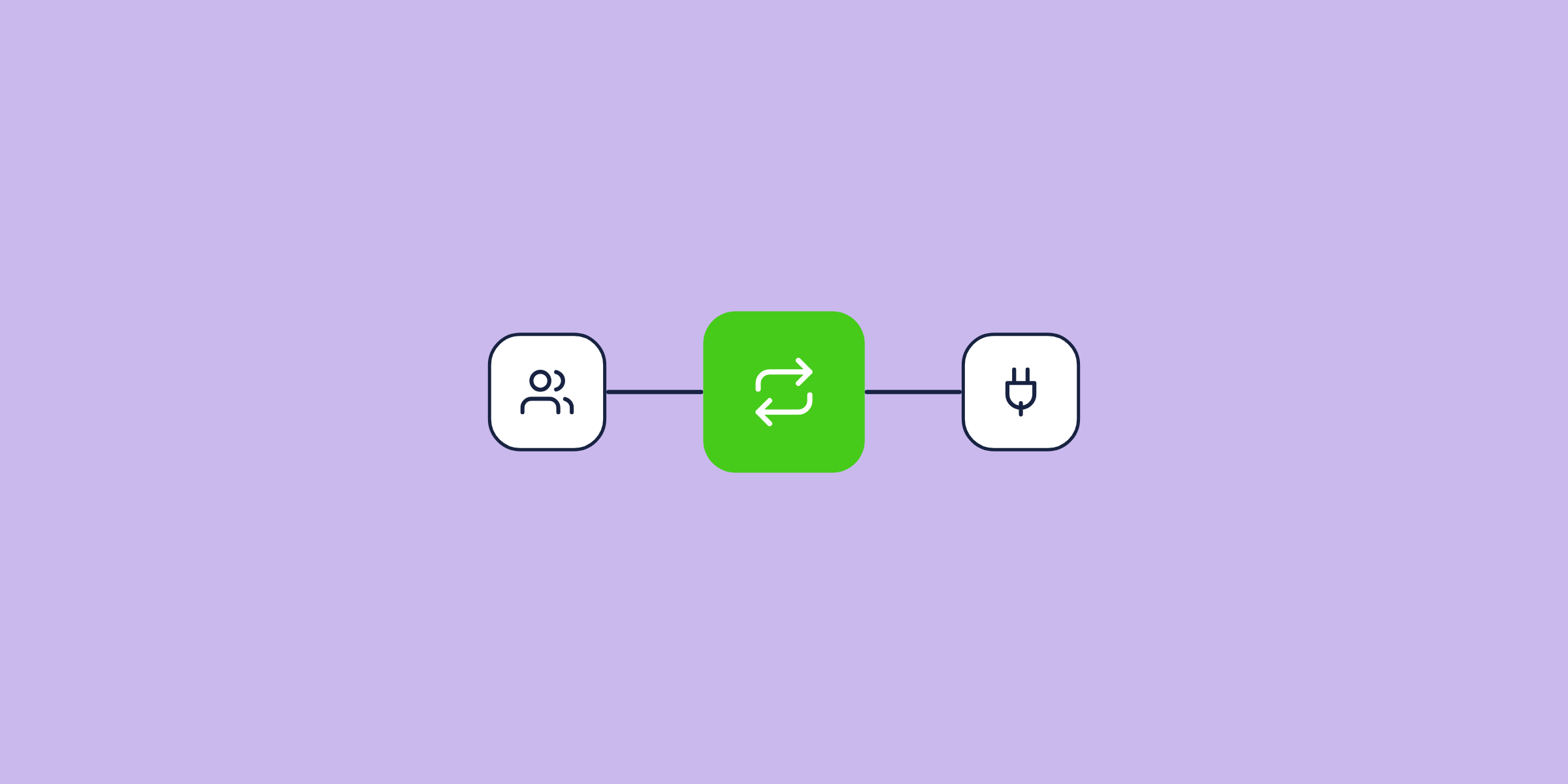
Social login is a way for people to use their existing social media accounts (like Facebook, Twitter, or Google) to sign up for or log into other websites or apps. It's fast, easy, and means you don't have to remember a bunch of different passwords.
Think of social login as a friendly doorman who knows you from your favorite hangout spot. Instead of asking for your ID every time you want to enter a new place, this doorman just needs to see you're coming from that familiar spot, and you're in.
How Social Login Works
The process is straightforward:
- User clicks the magic button: They see a "Login with Facebook" (or another social network) button on a website
- Website asks permission: The website sends a message to the social network asking to verify the user
- Social network checks credentials: The social network confirms the user's identity
- Information is shared: With permission, the social network shares basic info like name and email
- User is in: The website grants access without requiring form completion
It's like your social media account giving you a special backstage pass to other websites.
Benefits of Social Login
For Users
Super fast sign-up. No more filling out long forms. Just one click and you're in.
Less password stress. Forget about creating and remembering new passwords for every site.
Instant personalization. Websites can use your social info to make your experience more personal right away.
For Businesses
More people join. When it's easier to sign up, more people do it.
Happier users. People like things that are quick and easy, so they're more likely to come back.
Better data. Websites get more accurate information about their users.
Higher conversion rates. Reduced friction in the signup process means fewer abandoned registrations.
Popular Social Login Options
The Big Players
Facebook: The social network giant that everyone knows—great for consumer-facing applications.
Google: Not just for searching anymore—widely trusted and used across many platforms.
Twitter: For those who love short and sweet messages—good for media and content sites.
LinkedIn: Great for professional and work-related sites—ideal for B2B applications.
Each option has its own strengths. Logging in with LinkedIn might be perfect for a job-hunting website, while Facebook could be great for a game or social app.
Implementing Social Login
Step-by-Step Guide
- Choose your social networks. Decide which social logins you want to offer based on your audience.
- Get developer accounts. Sign up for developer accounts on those social networks.
- Follow the documentation. Each social network has guides on setting up social login.
- Add the buttons. Put the social login buttons on your sign-up page prominently.
- Test thoroughly. Make sure everything works smoothly before going live.
Best Practices
Do:- Offer multiple social login options- Make it clear what information you're requesting- Design attractive and recognizable social login buttons- Test your social login regularly
Don't:- Ask for more information than you need- Hide your regular sign-up option- Forget to update your privacy policy- Ignore user feedback about the login process
Security and Privacy Considerations
When using social login, information is being shared. It's important that websites keep this data safe:
Encryption. Information should be transmitted using secure protocols.
Limited access. Websites should only request the information they really need.
Clear rules. There should be easy-to-understand policies about how information will be used.
Data protection compliance. GDPR, CCPA, and other regulations require consent before using social data.
Social Login and User Engagement
Social login doesn't just make signing up easier—it can also create a more engaging experience:
Personalized content. Websites can use social data to show content users are more likely to enjoy.
Social sharing. It's easier for users to share content with friends when connected through social login.
Community building. Users can find and connect with friends who are also using the same website or app.
Trust building. Using a known and trusted social network makes the new site feel more friendly.
Social Login on Mobile
In today's world, we use our phones for almost everything. Social login is especially helpful for mobile apps because:
- It's faster to tap a social login button than type a long email and password on a tiny keyboard
- Many people are already logged into social apps on their phones
- It can help apps work better with phone features like sharing photos or finding friends nearby
Measuring Social Login Success
If you're implementing social login, track these metrics:
Sign-up rate. Are more people joining since you added social login?
Login frequency. Are people coming back more often?
Completion rate. Do more people finish signing up when using social login?
User feedback. What are people saying about the login process?
The Future of Social Login
The world of technology is always changing, and social login is evolving too:
More options. New platforms may join the social login ecosystem.
Smarter systems. Social logins are getting better at verification while maintaining ease of use.
Biometric integration. Voice and face recognition may complement social login.
Privacy-first approaches. Users will have more control over what data is shared.
Conclusion
Social login represents a fundamental shift in how we access online platforms. By reducing friction and leveraging existing trusted relationships, it improves the user experience while providing businesses with better data and higher conversion rates.
In the digital world, social login is like a friendly handshake—a simple gesture that starts a great relationship.
Community platforms designed for B2B SaaS—like Bettermode—offer powerful social login features that integrate seamlessly with the community experience, enabling quick onboarding while maintaining security.
Ready to enhance your community's login experience? Get started with Bettermode.
FAQs
Is social login secure?
Yes, when implemented correctly. Social login uses OAuth protocols that don't share your password with third-party sites. However, always ensure websites only request necessary information and have clear privacy policies.
What if I don't have a social media account?
Most websites offering social login also provide traditional email registration as an alternative. Social login should be an option, not the only option.
Can websites access all my social media information?
No. Websites can only access information you explicitly permit. During the login process, you'll see exactly what information will be shared. Most sites only request basic info like name and email.
What happens to my community access if I delete my social media account?
This depends on how the platform handles account recovery. Many platforms allow you to link an email address as backup, or convert your social login to a traditional account before deleting your social media.