Community Automation for B2B SaaS: Workflows That Scale Engagement
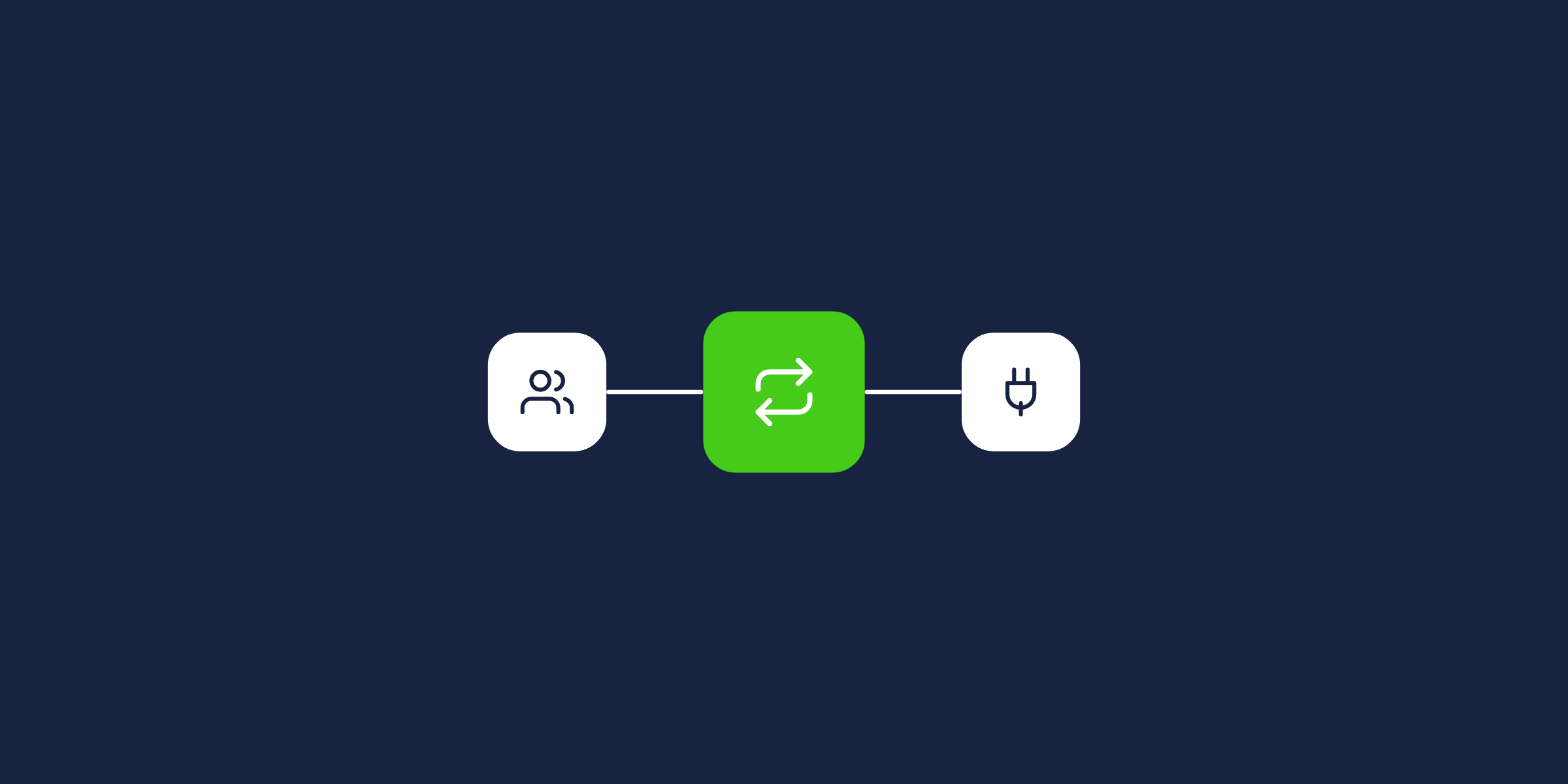
People are driven by processes, and it's all the more important for companies where groups of people work collaboratively. For instance, when a prospective client expresses interest by sending a message, you have a set process to engage with them. It might involve connecting with the right salesperson, showing a demo, recording requirements, and sending a pricing plan.
These workflows work seamlessly by connecting and syncing data between tools. Bettermode, as a community platform, empowers you to add social touchpoints across the user journey. This requires integration with third-party tools. And as a community manager, you need the ability to automate processes and turn your community into a set of automated actions that improve productivity.
Bettermode is much more than community software—it's a platform that brings together customer engagement tools, communication tools, and publishing capabilities into one place.
When you connect Zapier to Bettermode, you unlock countless ways to automate workflows. There are over 2,000 third-party apps you can integrate with Bettermode via Zapier—everything from Slack and ActiveCampaign to Stripe and Typeform. The manual activities you used to perform can now get automated.
What You Can Do with Bettermode and Zapier
The integration enables you to build smarter marketing campaigns, create better reports, streamline customer support and feedback, monetize your community, and acquire high-quality members.
Let's explore specific examples of how to put these automations to work.
How to Set Up Automation with Bettermode and Zapier
Bettermode helps you create and manage your online community, while Zapier helps you connect your community to other third-party apps so data can automatically flow between them.
Here's a practical example: with Zapier, you can connect Bettermode to team messaging app Slack, so that new posts in Bettermode are relayed directly to the right teams in your company. Whenever a question, discussion, or any other content is created in your community, a Zap gets triggered and posts the message in a Slack channel.
To set up a Zap, first connect your Bettermode account to Zapier. After that, connect to your Slack account. Then customize the Zap—for instance, you can configure it to send the message either from a bot or your own Slack username. Finalize the customization and turn it on.
Now, every time a new post is added to your community, Zapier will post a message about it to Slack. That just saved you the hassle of manually messaging various teams for each post.
There are hundreds of other ways you could connect your Bettermode workflows to other apps integrated with Zapier. Let's look at some of the most popular ways Bettermode customers use Zapier today.
Building Smarter Marketing Campaigns

Growing Your Email Subscriber Base Automatically
Nothing is more satisfying than watching your subscriber list grow. You feel motivated when people show interest in your community and join as members. A great way to keep members updated and improve retention is to send them well-crafted newsletters.
The best way to automatically add community members to your newsletter service is to use a Zap that triggers whenever a member joins. Your email service could be any of the popular solutions like ConvertKit, MailChimp, or ActiveCampaign.
Bettermode Zaps are quite customizable. You can trigger the Zap when someone joins a specific group inside your community, not just the community overall. You can also use Google Sheets to segment contacts based on the groups they've joined and send them to various email lists.
Adding Customers from Payment Platforms
If you're selling courses, ebooks, or coaching programs, you might want to gather your clients in an online community. A Zap to add your customers to the community can be useful. When someone purchases through Gumroad or Stripe, they're automatically invited to your community.
Syncing Contacts from Your CRM
To get the most out of Bettermode, you need to make sure all your company's contacts have access to your community. You can add new contacts by sending email invitations and bulk uploads, but it's even easier to automatically sync contacts between your existing CRM and Bettermode.
Contacts added to HubSpot or Salesforce can be automatically invited to join the community. Similarly, contacts added to your MailChimp lists can be invited as members. This also applies to communities for students subscribed to courses on platforms like Teachable and Thinkific.
Reporting and Analytics
Running Custom Reports
Reporting brings tremendous insights to your business, but it's often dreaded because of the work involved. It doesn't have to be difficult. Bettermode comes with built-in reporting tools, and connecting with Zapier gives you even more choices while keeping manual data entry out of your process.
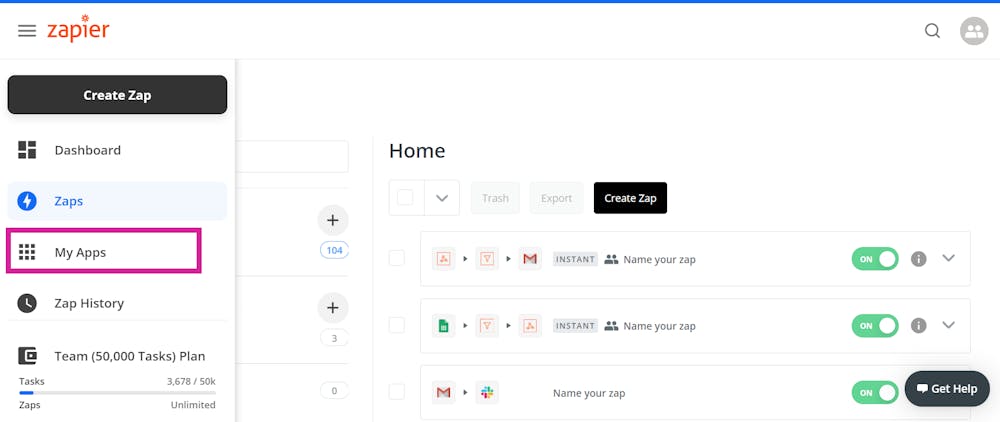
Say goodbye to importing and exporting. You can create Zaps to dump data into Google Sheets, and that data stream can power custom reporting. You're not limited to spreadsheets—you can run reports in Airtable, a simple yet powerful database reporting tool.
For example, you can easily answer questions like "What was the most popular post created in the community this week?" If you prefer dashboard tools like Cyfe or Dasheroo, those integrations are available too.
Cleaning Up Community Data
The variety of fields available in Bettermode allows you to dive deep into user-generated content. However, sometimes data contains characters that your analytics system can't process. That's when creating a clean dataset becomes crucial.
You can create a Zap using Zapier's Formatter app, which re-formats data mid-Zap. For example, you can remove stray spaces or characters, make sure certain fields are normalized, and ensure data fields are properly transformed for further processing.
Performing Text Analytics
Your community generates an immense amount of user-generated content, most of it in text format. It makes sense to analyze this content via analytics tools.
Although professionals with statistics and data science skills are typically required to extract insights from content, it's become relatively easy for non-programmers to analyze data via API and off-the-shelf tools.
Solutions like MonkeyLearn let you set up automation to send community content to classification tools for techniques like sentiment analysis. You can even push community content to Google Sheets and leverage Google's Natural Language API for various analyses.
Streamlining Customer Support and Feedback
Communicating Community Updates to Your Team
Bettermode is useful for informing your team when important posts get created. By connecting Bettermode to your team communication tool, you make sure your team gets real-time updates.
A popular approach is enabling a Zap between Bettermode and Slack. This notifies you and your team when relevant content gets posted. For example, you might want to inform your product team when feedback gets shared and bring your support team into the loop when a member posts an issue.
Centralizing Feedback from the Community
Often online communities leverage the direct channel with members to collect candid feedback on products and services. You can use a Zap to send feedback gathered from your Bettermode Community over to your CRM software so all information is consolidated in one place.
This data allows you to see every piece of feedback a member has submitted, connected to their customer record. It creates a complete picture of each customer's input over time.
Monetizing Your Community
Putting Your Community Behind a Paywall
In some cases, the online community is the product itself—subscription-based membership communities where people pay to join. This might be a monthly recurring payment or a one-time fee.
You might want to keep the whole community behind a paywall, or just part of it like exclusive private groups. You can accomplish this by integrating with Stripe via Zaps. When payment is received, the member gets access automatically.
You can go a step further by issuing invoices via QuickBooks using multi-step Zaps. Bettermode can integrate with other payment processors and invoice software as well.
Acquiring High-Quality Members
Inviting Members Based on Qualifications
Some community managers only allow members to join when they meet certain criteria. The deciding factor is usually around knowledge or expertise the member possesses.
For instance, if you're running a community of practice for experienced professionals in a specialized field, you'd only want members with the right domain knowledge.
This can be done by creating a landing page and embedding a form like Typeform or Google Forms. When a potential member submits their answers, you get notified. When you change their status to approved, an invitation gets sent automatically.
This workflow ensures quality control while automating the administrative work of vetting and inviting qualified members.
The Power of Bettermode and Zapier Together
Your workflow can be automated with Bettermode and Zapier. Zapier integrates with over 5,000 apps, many of which didn't make it into this post. You can get creative with new use cases for connecting these apps to Bettermode.
The flexibility means you can adapt automation to your specific community needs—whether that's marketing, support, monetization, or member management. The manual tasks that used to consume your time can run automatically, letting you focus on the high-value work of building relationships and creating value for your members.
Building Automated Workflows with Bettermode
Bettermode makes it easy to automate your community workflows through native integrations and Zapier connectivity.
For everyday use cases, native CRM integrations with HubSpot and Salesforce sync member data directly—no Zapier required. On the support side, Zendesk and Intercom integrations keep your community and support workflows connected. When you need to go beyond the built-in options, Zapier opens the door to over 5,000 apps for custom automation.
Design Studio shapes the community experience that all these automated workflows plug into. Once things are running, analytics help you track what's working and spot new automation opportunities. Gamification plays a role here too, automatically recognizing and rewarding members based on how they engage.
Enterprise security needs are covered with SOC2 compliance, SSO support through JWT, OAuth, SAML, and Okta, and data residency options.
Pricing
Bettermode offers three plans.
At $149 per month, Starter gives you a self-service experience with a 14-day free trial to test things out.
Growth runs $1,500 per month and includes onboarding and migration support to get you set up faster.
Premium pricing requires reaching out to sales. It comes with a dedicated CSM, an SLA, and enterprise-level customization.
Key Takeaways
Automation through Zapier extends Bettermode's capabilities far beyond what any single platform could offer. By connecting your community to the tools you already use, you create workflows that save time and reduce manual work.
Start with the automations that address your biggest pain points—whether that's member onboarding, team notifications, or data synchronization. Then expand as you discover new opportunities to streamline your community operations.
Ready to automate your community workflows? Talk to sales for a demo.
Related Resources
FAQs
Do I need technical skills to set up Zapier integrations?
No—Zapier is designed for non-technical users. The interface walks you through connecting apps and setting up triggers and actions. Most integrations can be set up in minutes without any coding.
What's the difference between native integrations and Zapier?
Native integrations (like HubSpot and Salesforce) connect directly to Bettermode with pre-built functionality. They're typically simpler to set up and more robust for common use cases. Zapier extends connectivity to thousands of additional apps with more flexibility but requires more configuration.
How many Zaps can I create?
This depends on your Zapier plan. Zapier's free tier allows a limited number of Zaps with basic functionality. Paid tiers increase limits and add features like multi-step Zaps and premium app access.
Can automations run in real-time?
Most Zaps run within minutes of the trigger event. Some Zapier plans include instant triggers for faster execution. For time-sensitive workflows, consider using webhooks or native integrations when available.